
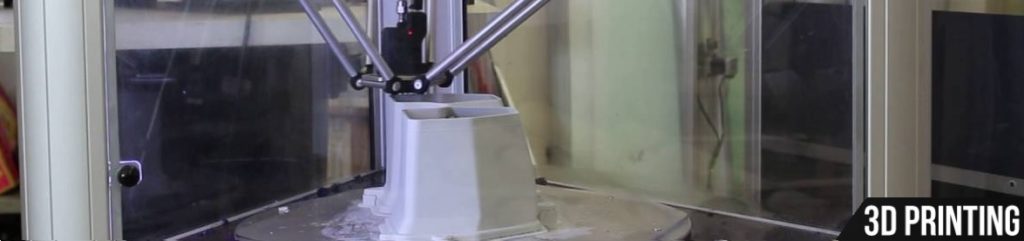
3D printing builds parts layer by layer from digital models. The technology has become popular across prototyping, production, art, and design, and it continues to play a larger role in manufacturing. But not every 3D printing process works the same way. FDM, SLS, and DMLS each use a different approach to material, and each one produces parts with different strength, precision, speed, and surface characteristics.
For anyone comparing FDM, SLS, and DMLS for production parts or prototype parts, the decision comes down to what the part must do, what material it needs, and what the budget allows. This article breaks down the three technologies, compares them side by side, and explains where each process fits best.
What Is FDM 3D Printing?
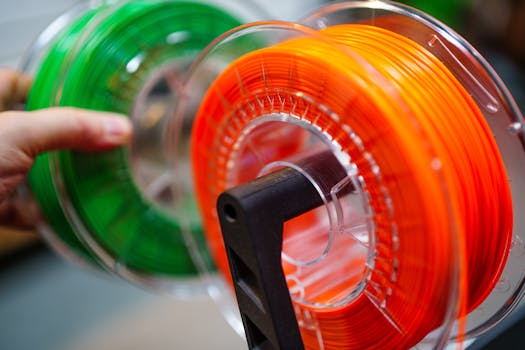
FDM, or fused deposition modeling, is one of the most widely used 3D printing technologies. It builds parts from thermoplastic filament through the layer-by-layer addition of material. FDM is often the first process people encounter because it is accessible and easy to operate. Comparisons describe FDM as a great 3d Printing tool for beginners, and entry-level machines start at a few hundred dollars, which is far below the initial cost of many industrial systems.
FDM has practical limits. Parts made with FDM can show visible layer lines, so the surface may need extra finishing for some applications. Because the part is built in layers, texture can be obvious on angled and curved surfaces. Still, FDM remains a practical option for 3D prototyping and for short production runs where the part geometry and materials fit the process. For shops that need a low-cost way to test designs and produce functional parts, FDM 3d printed parts are often the starting point.
What Is SLS 3D Printing?
SLS, or selective laser sintering, uses a high-powered laser to fuse powdered material into solid parts. The material is typically nylon or polyamide powder particles. Instead of laying down material through a nozzle, the laser scans each layer of powder and fuses the particles together. This process gives SLS advantages over FDM in several areas.
SLS printers are faster than FDM printers because the high-powered laser can be directed at each layer of powder and scanned across it faster than an FDM system moves. SLS also offers higher precision than FDM 3d printed parts. Parts made with SLS 3d printing are more durable than FDM and SLA prints, which makes SLS a strong candidate for functional plastic parts.
One of the biggest production benefits of SLS is that it does not require support structures during the actual printing process. The powder bed itself supports overhangs and complex features during the build. That opens up geometries that would be difficult or impossible with other processes. The trade-off is surface texture. SLS parts have a grainy finish, and that texture must be considered for cosmetic applications.
Production economics matter too. While FDM machines have a lower entry price, the cost-per-part at scale often favors SLS. As production volume grows, the faster process and efficient use of the powder bed can lower per-part costs.

What Is DMLS 3D Printing?
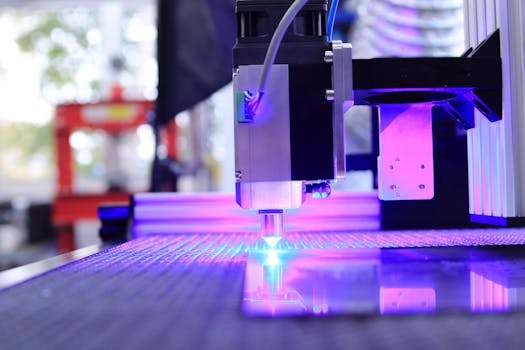
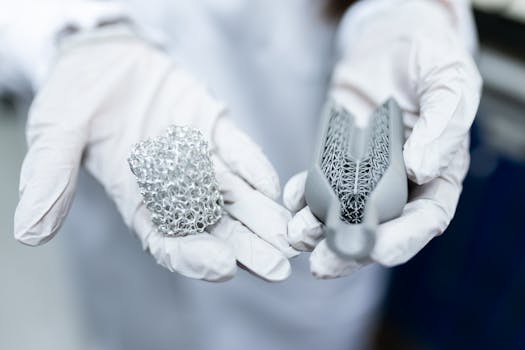
DMLS, or direct metal laser sintering, is the metal counterpart to SLS. Like SLS, it uses a laser to fuse powdered material. The key difference is the material: DMLS uses metal particles instead of nylon or polyamide powder. That single difference changes the application entirely.
DMLS is extremely common for prototyping and low volume production of metal parts. It is used when a component needs metal properties such as strength or compatibility with metal assemblies. Manufacturers use DMLS alongside other production methods like CNC machining, molding, stamping, and welding, especially for short run production.
The strength difference between SLS and DMLS is significant. SLS parts are plastic, and parts printed with SLS are significantly weaker than those printed with DMLS. If a production part must handle structural loads, DMLS is the process that can deliver metal performance.
DMLS brings its own considerations. Because it is a metal powder process, the cost profile differs from FDM and SLS. Specific DMLS pricing is not included in the source comparisons, so manufacturers should request current quotes from a service provider. DMLS is typically selected based on material requirements rather than cost alone.
FDM vs. SLS vs. DMLS: Key Differences at a Glance
To see how FDM, SLS, and DMLS compare for production parts, it helps to put the key characteristics side by side. The table below summarizes what the source comparisons state about each technology.
|
Characteristic |
FDM |
SLS |
DMLS |
|---|---|---|---|
|
Material |
Thermoplastic filament |
Nylon or polyamide powder |
Metal particles |
|
Build approach |
Layer-by-layer addition of material |
Laser sintering of powder |
Laser sintering of metal powder |
|
Precision |
Lower than SLS |
Higher than FDM |
Not specified in the source comparison |
|
Durability |
Durable but less than SLS |
More durable than FDM and SLA |
Significantly stronger than SLS |
|
Support structures |
Not specified |
Not required |
Not specified |
|
Surface finish |
Visible layer lines possible |
Grainy surface texture |
Not specified |
|
Typical use |
Prototyping, low-cost production |
Functional plastic parts |
Metal prototyping and low volume production |
The table reflects the facts covered in the available comparisons. Some characteristics, such as DMLS surface finish and support behavior, are not specified in those sources, so manufacturers should verify those details with a 3D printing service provider.
Material Differences
Material is the first decision point. FDM uses thermoplastic filament, which is available in a range of engineering plastics. SLS uses nylon or polyamide powder, which gives parts a combination of durability and flexibility. DMLS uses metal particles, so it is the option for parts that must be metal.
The material difference is also the main reason SLS and DMLS parts differ so much in strength. SLS creates plastic parts. DMLS creates metal parts. Because of that, SLS parts are significantly weaker than DMLS parts, even though the two processes look similar.
Precision and Surface Finish
Precision matters for production parts, especially when components must fit together or meet dimensional requirements. SLS 3d printers have higher precision than FDM 3d printers, which makes SLS the better choice when finer features are needed in a plastic part.
Surface finish on 3d printed parts is a separate trade-off. FDM can leave visible layer lines. SLS does not require supports, but it creates a grainy surface texture. Both surface types need to be evaluated against the part requirements. For context, SLA 3d printing is often described as offering higher precision and better surface quality than FDM, but SLA is a separate technology and not the focus of this comparison.
Durability and Strength
Durability is one of the main reasons manufacturers move beyond FDM. SLS prints are more durable than FDM and SLA prints, so SLS is the stronger plastic option among the plastic processes in this comparison.
For metal-strength requirements, the choice is DMLS. Because DMLS printed parts are metal and SLS printed parts are plastic, SLS parts are significantly weaker than DMLS parts. If a production part must withstand structural loads, DMLS is the technology that can provide metal performance.
Speed and Cost at Scale
SLS printers are faster than FDM printers. The reason is in the process. A high-powered laser can be directed at each layer of powder and scanned across it quickly, while an FDM system must physically move material across the part. For larger production runs, that speed advantage compounds.
The cost picture follows a similar pattern. FDM has a lower initial machine cost, with entry-level units starting at a few hundred dollars. But at scale, the cost-per-part often favors SLS. Manufacturers planning production volumes should compare both machine cost and per-part cost before choosing a process.
Choosing Between FDM, SLS, and DMLS for Production Parts
FDM is best suited for early prototyping, low-cost testing, and applications where visible layer lines and material limits are acceptable. It is easy to operate and has the lowest entry cost.
SLS is the stronger plastic option. It offers higher precision than FDM, produces parts that are more durable than FDM and SLA prints, does not require supports, and can be faster at scale. The grainy surface texture is the main trade-off.
DMLS is the metal option. It is extremely common for prototyping and low volume production of metal parts, and it produces parts that are significantly stronger than SLS parts. DMLS is the choice when the part must be metal.
Manufacturers that need help selecting a process can work with a full-service provider. Applications 3D, a Metro Detroit-based engineering services company in business since 2003, offers multiple 3D printing technologies including FDM, SLS, and DMLS, along with 3D scanning, reverse engineering, inspection and quality control, CAD modeling, and short run production through CNC machining, molding, stamping, and welding. A provider that understands both additive and traditional manufacturing can make the selection process simpler.
Frequently Asked Questions
Is SLS stronger than FDM?
Yes. According to the technology comparisons, SLS prints are more durable than FDM and SLA 3d prints. That makes SLS the stronger plastic option among these technologies. The trade-off is surface texture. SLS parts have a grainy finish, while FDM parts can show visible layer lines, so the surface needs to be reviewed alongside strength.
Is DMLS stronger than SLS?
Yes. SLS and DMLS both use lasers to fuse powdered material, but the material is the key difference. SLS uses nylon or polyamide powder, so SLS parts are plastic. DMLS uses metal particles, so DMLS parts are metal. Parts printed with SLS are significantly weaker than those printed with DMLS.
Does SLS require support structures?
No. SLS does not require support structures. The powder bed supports the part as it is printed, which makes it possible to build complex geometries and overhangs without printed supports. The trade-off is that SLS parts have a grainy surface texture, and that texture should be considered for cosmetic applications.
Is FDM cheaper than SLS?
FDM 3d printing machines have a lower initial machine cost, with entry-level units starting at a few hundred dollars. However, the cost-per-part at scale often favors SLS. For small volumes and simple parts, FDM can be the cheaper option. For larger production runs, SLS can offer a lower per-part cost, so the right choice depends on volume.
Our Process
With our 3d printing technology, actual physical objects can be created from the digital model of that part. The physical part is manufactured by the additive deposition of material, rather than the traditional manufacturing processes which actually remove the material. This technology is greatly suited for building a smaller quantity of parts. Since no special tools, dies, or jigs are required, this process is fast, efficient, and low cost. Apart from automotive and manufacturing areas, 3d printing is also being used successfully in other industries. For example, the healthcare/dental industry, as well as museum, consumer, and defense industry.
Benefits of 3D Printing:
|
|